

Share
 Olugbemi. Adeyinka Ogunleye
1 week ago
Olugbemi. Adeyinka Ogunleye
1 week ago
Overview
INEC suspends voter revalidation exercise following widespread criticism over timing
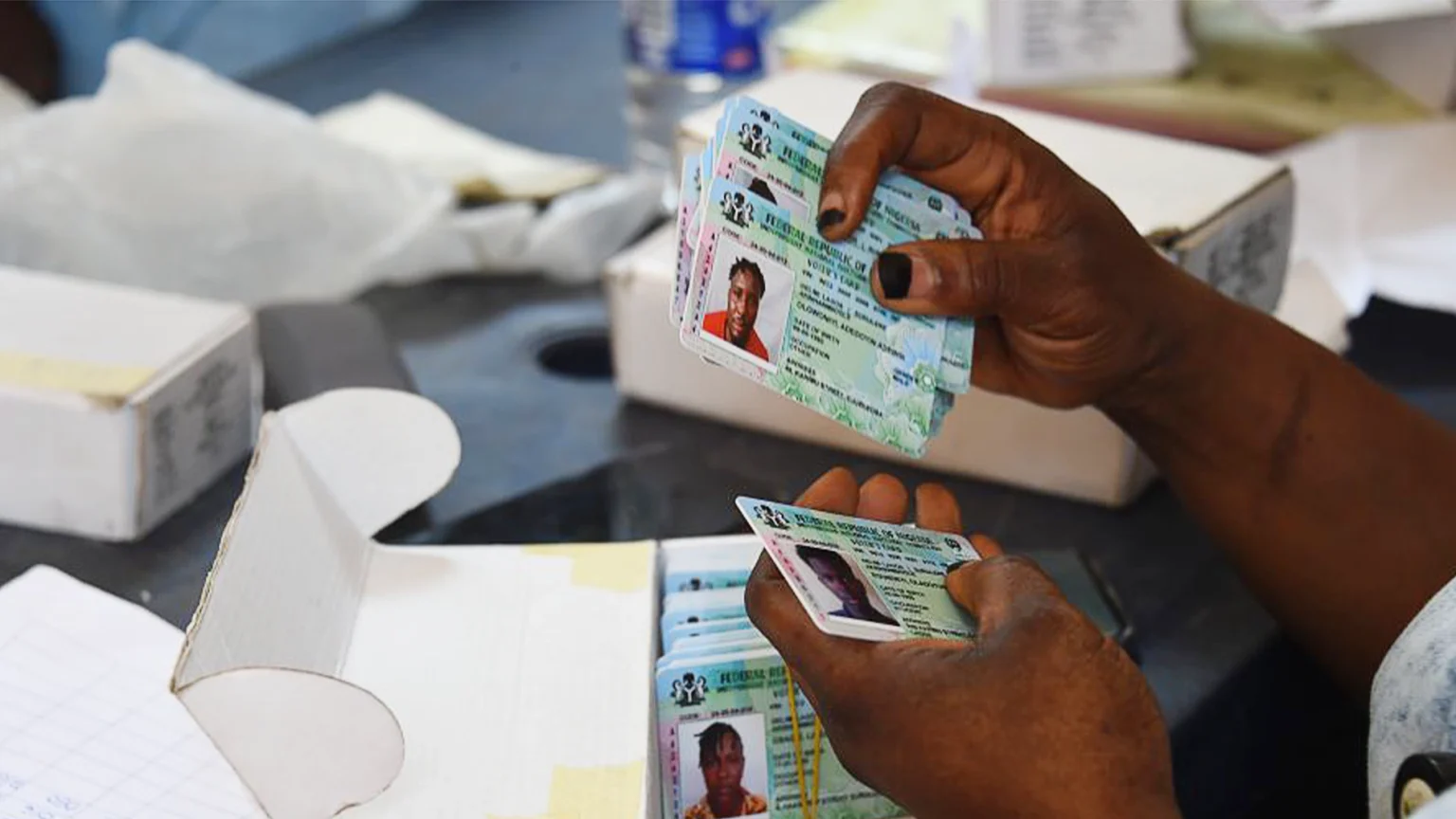
Stakeholders have expressed concerns about some procedural gaps in the Independent National Electoral Commission’s (INEC) systems and preparations for the 2027 general elections. The development followed the commission’s decision to suspend its planned voter revalidation exercise, which was aimed at confirming voters’ statuses and data in readiness for balloting in next year’s common poll.
Announcing the commission’s stance on the exercise, the INEC Secretary, Rose Oriaran-Anthony, in a statement dated April 4, 2026, mandated all Resident Electoral Commissioners (RECs) to suspend every publicity and all arrangements towards the planned nationwide exercise. The RECs, however, were directed to await further directives. INEC urged them to continue with internal preparations for the exercise, including sourcing ad hoc personnel and preparing the Bimodal Voter Accreditation System (BVAS) and other voter enrolment devices.
Recall that the commission gave notice of its intention to embark on nationwide voter revalidation starting from April 13, 2026, as part of efforts to update the voter register ahead of the 2027 general election. But the decision to halt the process comes amid growing concerns from stakeholders over the timing and transparency of the exercise, especially as critics questioned the level of stakeholder input the commission received on the crucial issue in election management.
The Executive Director of Yiaga Africa, Samson Itodo, while describing the voter revalidation exercise as a good initiative introduced at an unsuitable period, lamented that although the policy might enhance the integrity of the electoral register, its timing raises serious concerns about its potential impact on voter participation and the broader electoral process.
In a statement to The Guardian, Itodo further explained that although voter revalidation could help clean up the register, remove irregularities, and improve the credibility of elections, implementing such a measure close to a major electoral cycle could inadvertently disenfranchise eligible voters. He warned that logistical challenges, limited public awareness, and tight timelines might prevent many citizens from completing the process, thereby undermining the democratic process’s inclusiveness.
He stated: “It is a known and publicly acceptable fact that Nigeria’s voter register is in dire need of urgent clean-up to remove errors, multiple registrants, and dead persons. The much-talked-about INEC revalidation exercise is definitely a great approach to clean the register. “However, the timing of the exercise is deeply problematic. At this time, the framework, scope, procedures, and implications are unknown to the public. A voter revalidation exercise has serious political and electoral consequences, so timing and transparency are absolutely critical. “This is a case of a good policy implemented at the wrong time. The 2027 electoral cycle has the most compressed timelines for electoral activities, and it is clear the system is overstretched.”
The Yiaga Africa Executive Director remarked that the most appropriate time for revalidation is immediately after a general election, when there is more time for proper planning, consultation, public sensitisation, and implementation without undermining the credibility of the electoral process. “Carrying out such an exercise in a non-election period,” he added, “allows electoral authorities to engage widely with stakeholders, including political parties, civil society groups, and the electorate, to build trust and consensus. “This window would also enable the commission to address potential logistical challenges, deploy adequate resources, and ensure that no eligible voter is excluded due to time constraints or limited access to registration centres.”
Itodo emphasised that a post-election timeline would create room for robust voter education campaigns to inform citizens about the purpose, procedures, and importance of the revalidation process. “By doing so, the commission can enhance public confidence in the system, encourage broader participation, and ultimately strengthen the integrity and inclusiveness of Nigeria’s electoral framework. “Continuous Voter Registration is still ongoing, political party primaries are set to begin in a matter of weeks, and delays in the release of funding to INEC have already placed enormous pressure on the Commission’s preparations. “Introducing a nationwide revalidation exercise now risks overwhelming the system, confusing voters, and potentially suppressing participation, especially among those who may not understand the process or miss the revalidation deadline.”
While maintaining that a voter revalidation exercise carries significant political and electoral implications, making timing and transparency critical, the Yiaga Africa boss regretted that the 2027 electoral cycle was already facing tight timelines. “With the ongoing voter registration and imminent party primaries, introducing a nationwide revalidation could overstretch the system, confuse voters and potentially suppress participation,” he declared. Also, a Kaduna State-based Public Affairs Analyst, Awalu Anka, said INEC has the weight of public expectations on its shoulders, stressing that the commission should ensure that its actions reflect patriotism, impartiality and well-intentioned. Anka noted that after the commission revised its timetable for the 2027 poll, it was incumbent on the electoral umpire to review its programmes and avoid taking precipitate actions that could endanger the credibility and transparency of the coming election.
Meanwhile, INEC has also announced that its scheduled meeting with RECs would now be held virtually. In a statement to that effect titled: ‘Notice of Meeting with Resident Electoral Commissioners (Virtual)’, the meeting earlier slated to be held physically at the Commission’s headquarters in Abuja on Thursday, April 9, 2026, has been moved online. The Commission advised RECs to remain in their respective states and await login details for the meeting, even as it expressed regret over any inconvenience caused by the changes and assured the commissioners of its consideration
Credit: Guardian