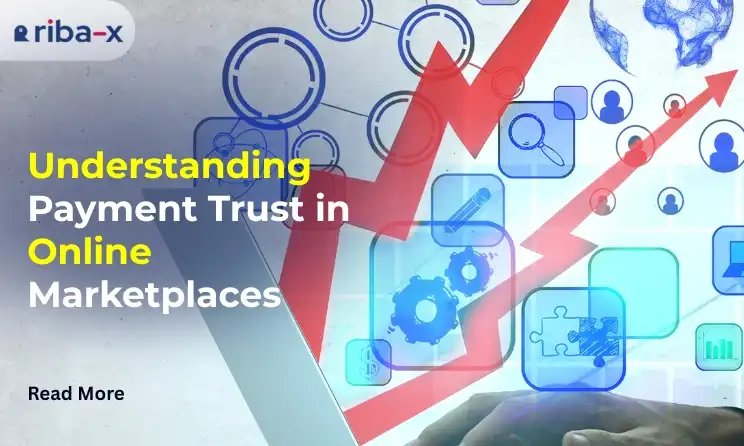
Understanding Payment Trust in Online Marketplaces
Money matters are personal, and handing over cash for products you cannot physically touch requires a leap of faith. Trust forms the foundation of every successful online marketplace, yet building and maintaining this trust presents unique challenges, especially in emerging economies where scams and fraud concerns run high.
Why Payment Trust Matters
The relationship between buyers and sellers in e-commerce differs fundamentally from traditional shopping. In a physical store, you see the product, pay immediately, and take it home. Online transactions split this process across time and distance, creating vulnerability for both parties.
Buyers worry about:
- Paying for products that never arrive
- Receiving items different from what was advertised
- Having their financial information stolen or misused
- Dealing with unresponsive sellers after payment
Sellers face their own concerns:
- Customers claiming they never received products
- False accusations about product quality
- Chargebacks and payment reversals
- Time wasted on fraudulent transactions
When these fears dominate, commerce slows down. People stick to cash transactions with people they know, limiting economic growth and opportunity.
Building Blocks of Payment Security
Escrow Systems and Payment Protection
The most effective trust mechanism involves holding payments until both parties fulfill their obligations. Here's how it works:
- Buyer places an order and payment goes to the platform
- Seller receives notification and ships the product
- Buyer confirms receipt and satisfaction
- Platform releases payment to the seller
This system protects both sides. Sellers know the money exists before shipping. Buyers know they can verify the product before the seller gets paid.
Verified Payment Methods
Not all payment options offer equal security. Trusted platforms integrate with established payment processors that provide:
- Encryption of sensitive financial data
- Fraud detection algorithms
- Two-factor authentication
- Transaction monitoring for unusual activity
- Dispute resolution mechanisms
Allowing direct bank transfers without verification or protection creates opportunities for fraud that damage everyone's confidence.
Transparent Transaction Records
Clear documentation serves multiple purposes. Complete transaction histories help:
- Buyers track their spending and orders
- Sellers maintain business records
- Both parties resolve disputes with evidence
- Platforms identify patterns of fraudulent behavior
- Financial institutions assess creditworthiness
Every transaction should generate confirmations, tracking information, and receipts accessible to all parties involved.
Cultural Factors in Nigeria
Online marketplace in Nigeria must address specific local concerns. Nigeria has experienced high-profile fraud cases that make people cautious about online payments. Building trust requires understanding these fears and addressing them directly.
Cash on delivery remains popular because it feels safer. However, this method creates other problems:
- Sellers bear the risk of non-payment
- Fake orders waste time and delivery resources
- Scaling becomes difficult without prepayment
- Financial records become harder to maintain
Moving toward secure prepayment systems requires education and proof of reliability over time.
Practical Trust Indicators
Smart shoppers and sellers look for specific signs before committing to transactions:
For Buyers:
- Seller ratings and detailed reviews from previous customers
- Clear return and refund policies stated upfront
- Complete product descriptions with actual photos
- Business registration and contact information
- Response time to questions and concerns
For Sellers:
- Verified buyer accounts with purchase history
- Platform-backed payment guarantees
- Clear communication about expectations
- Realistic timelines that allow proper fulfillment
- Support from the platform when disputes arise
The Role of Customer Service
Quick, fair resolution of problems builds long-term trust more effectively than preventing all issues. No system is perfect. Products get damaged in shipping. Misunderstandings happen. What matters is how platforms handle these situations.
Effective support systems include:
- Multiple contact channels (phone, email, chat)
- Clear escalation procedures
- Defined response time commitments
- Fair investigation of disputes
- Willingness to admit and correct platform errors
When customers see problems resolved fairly, they gain confidence in the system even after negative experiences.
Frequently Asked Questions
Q: What should I do if a seller asks me to pay outside the platform?
A: Never make payments outside the official platform system. This request is a major red flag. Off-platform payments bypass all security measures and leave you with no recourse if something goes wrong. Report such requests to platform administrators immediately.
Q: How long should I wait before confirming receipt of an order?
A: Only confirm receipt after physically receiving and inspecting the product. Check that the item matches the description, works properly, and has no damage. Most platforms give you several days to confirm, so take the time needed to verify everything meets your expectations.
Q: Can I get my money back if I receive a fake or damaged product?
A: Legitimate platforms offer buyer protection policies. Document the problem with photos, contact the seller first to attempt resolution, and escalate to platform support if needed. Most platforms will refund your payment if you can demonstrate the seller failed to deliver as promised.
Riba-x Approach to Payment Trust
As Nigeria's commerce continues to grow online, platforms like Riba-x recognize that payment security directly impacts their success. By implementing proper escrow mechanisms, partnering with verified payment processors, and maintaining responsive customer support, Riba-x aims to create an environment where both buyers and sellers feel protected.
The platform's integration of community features with marketplace functionality adds another trust layer—reputation matters more when people can see seller history and community standing. As more Nigerians experience secure, successful transactions, the entire ecosystem benefits from increased confidence and participation.
Trust isn't given; it's earned through consistent, reliable performance. Every successful transaction builds the foundation for Nigeria's e-commerce future.